Gaming Phone, Disc Golf,
Den H Vitamin H | Essential Vitamin Supplement for Cattle Health
$ 10.37
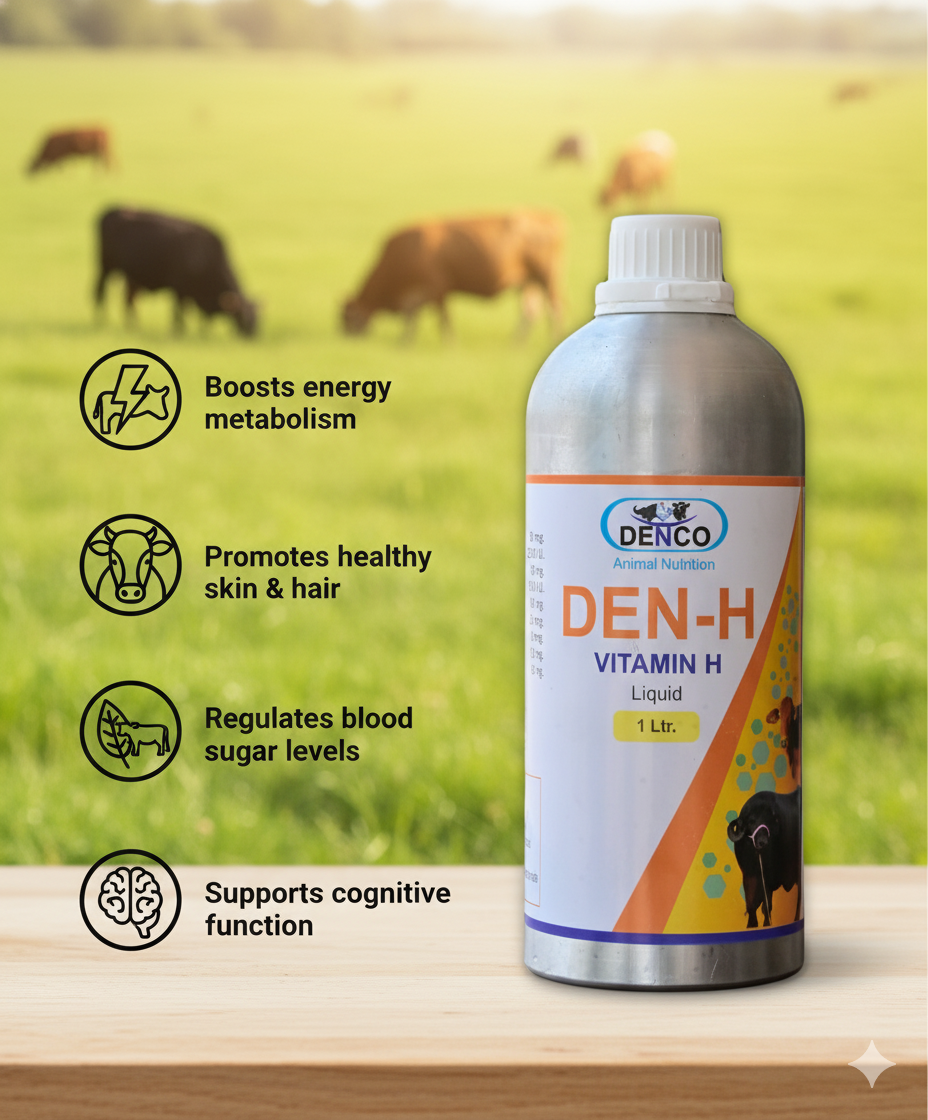
CompareDen H Vitamin H, also known as biotin, is an essential B vitamin that plays a crucial role in the overall health and productivity of cattle. It is involved in various metabolic processes, including energy metabolism, fat synthesis, and protein synthesis. Vitamin H is also essential for maintaining healthy skin, hair, and hooves.Functions of Vitamin H in CattleGrowth and Development: Vitamin H is crucial for the growth and development of cattle, particularly during the early stages of life. It supports bone growth, muscle development, and overall body weight gain.Reproduction: Vitamin H is essential for optimal reproductive performance in cattle. It contributes to estrus cycle regularity, fertility, and calf health.Milk Production: Vitamin H is important for maintaining milk production in lactating cows. It aids in the synthesis of milk proteins and fats, ensuring adequate milk quality and yield.Skin and Hair Health: Vitamin H promotes healthy skin and hair in cattle. It helps maintain the integrity of skin cells, preventing dryness and cracking. It also supports hair growth and prevents hair loss.Hoof Health: Vitamin H is essential for maintaining strong and healthy hooves in cattle. It helps prevent hoof cracking, lameness, and other foot problems.Dietary Sources of Vitamin H for CattleVitamin H is found in a variety of feedstuffs, including:Forages: Legumes, such as alfalfa and clover, are good sources of vitamin H. Grasses, such as corn and sorghum, also contain vitamin H.Grains: Corn, oats, and barley contain moderate amounts of vitamin H.By-products: Soybean meal and wheat bran are good sources of vitamin H.Mineral Supplements: Commercial mineral mixes and vitamin H supplements can be provided to ensure adequate vitamin H intake, particularly during periods of high demand, such as lactation.Vitamin H Deficiency in CattleVitamin H deficiency in cattle is uncommon, but it can occur in animals with restricted diets or those with certain medical conditions that affect nutrient absorption. Symptoms of vitamin H deficiency in cattle may include:Reduced growth rate: Calves with vitamin H deficiency may experience stunted growth and poor weight gain.Reduced milk production: Lactating cows with vitamin H deficiency may experience a decline in milk production.Skin lesions: Vitamin H deficiency can lead to skin lesions, including eczema and dermatitis.Hair loss: Cattle with vitamin H deficiency may experience hair loss, particularly around the ears and eyes.Brittle hooves: Vitamin H deficiency can contribute to brittle hooves, increasing the risk of lameness and foot problems.Prevention of Vitamin H Deficiency in CattlePreventing vitamin H deficiency in cattle involves providing a nutritionally balanced diet that meets their vitamin H requirements. Forages, particularly legumes, are natural sources of vitamin H. Supplemental vitamin H can be provided through mineral mixes, vitamin H supplements, or feed additives when dietary sources are insufficient. Consulting with an animal nutritionist can help determine the appropriate vitamin H supplementation strategy for specific cattle herds and production goals.